
Silicon Labs EFR32MG21 Zigbee 3.0 USB Dongle for Home Assistant with PCB Antenna and Plastic Shell, Pre-flashed with EZSP v8 Protocol for ZHA and Zigbee2MQTT Integration, +20dBm Output Gain USB Device


Silicon Labs EFR32MG21 Zigbee 3.0 USB Dongle for Home Assistant with PCB Antenna and Plastic Shell, Pre-flashed with EZSP v8 Protocol for ZHA and Zigbee2MQTT Integration, +20dBm Output Gain USB Device
Silicon Labs EFR32MG21 Zigbee 3.0 USB Dongle: Pre-flashed Coordinator for Home Assistant
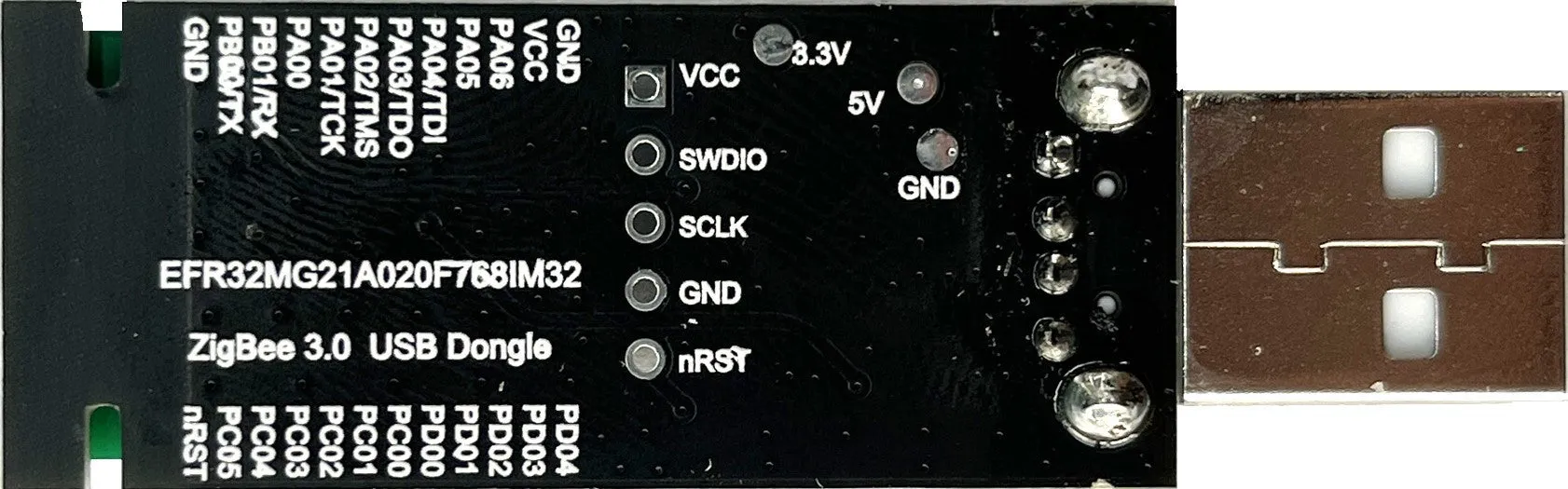
Integrating a diverse range of Zigbee smart home devices into a single, localised control system often requires a dedicated and capable coordinator. This Silicon Labs EFR32MG21 USB Dongle is designed to fulfil that role, serving as the central hub for a Zigbee 3.0 network within popular home automation platforms. It arrives pre-configured with the EmberZNet Serial Protocol version 8 (EZSP v8), removing the initial firmware flashing step and allowing for a quicker setup process. The dongle's primary use case is with Home Assistant via its native ZHA (Zigbee Home Automation) integration or the developing Zigbee2MQTT platform, providing a versatile foundation for a vendor-agnostic smart home. By using a standard USB connection, it offers a straightforward plug-and-play experience for users looking to move away from proprietary cloud-based gateways and towards local, reliable control of their Zigbee-compatible lights, sensors, locks, and switches.
Technical Specifications and Core Hardware

The dongle is built around specific, known components that define its capabilities and compatibility. This section details the core technical architecture that enables its function as a Zigbee coordinator.
EFR32MG21 Microcontroller and CH340E Interface
At the heart of this device is the Silicon Labs EFR32MG21 microcontroller, a system-on-chip (SoC) specifically engineered for Zigbee and other low-power wireless protocols. This chip handles the complex network coordination, device pairing, and message routing essential for a stable mesh network. It is paired with a CH340E chip, which provides the critical USB-to-serial bridge. This interface allows the dongle to communicate with the host computer or server running Home Assistant, translating USB commands into the serial data stream that the EFR32MG21 understands. This combination of proven components forms a reliable hardware foundation for the coordinator's duties.
Radio Performance: +20dBm Gain and PCB Antenna
Wireless range and signal reliability are crucial for a whole-home Zigbee network. This dongle is specified with a radio output gain of +20dBm, which is a measure of its transmit power. A higher gain like this can contribute to a stronger signal and potentially wider coverage area, helping devices at the edge of your property maintain a stable connection to the mesh. For receiving and transmitting this signal, the dongle employs a Printed Circuit Board (PCB) antenna. This type of antenna is integrated directly onto the device's circuit board, offering a compact and cost-effective solution without the need for an external, protruding antenna, keeping the overall form factor neat and simple.
Physical Build and Connectivity
The electronic components are housed within a plastic shell, which provides physical protection and electrical insulation. The enclosure is designed to be durable for everyday use while dissipating minimal heat generated by the circuitry. The primary user connection is a standard USB connector, making it compatible with a vast array of computers, single-board computers like Raspberry Pi, and dedicated home automation servers. The device also features two physical buttons on its board: a BOOT button and an nRST (reset) button. These are used in a specific sequence to put the device into a bootloader mode, enabling firmware updates via its UART (Universal Asynchronous Receiver-Transmitter) interface, which operates at a set baud rate of 115200 bits per second.
Software Integration and Practical Use
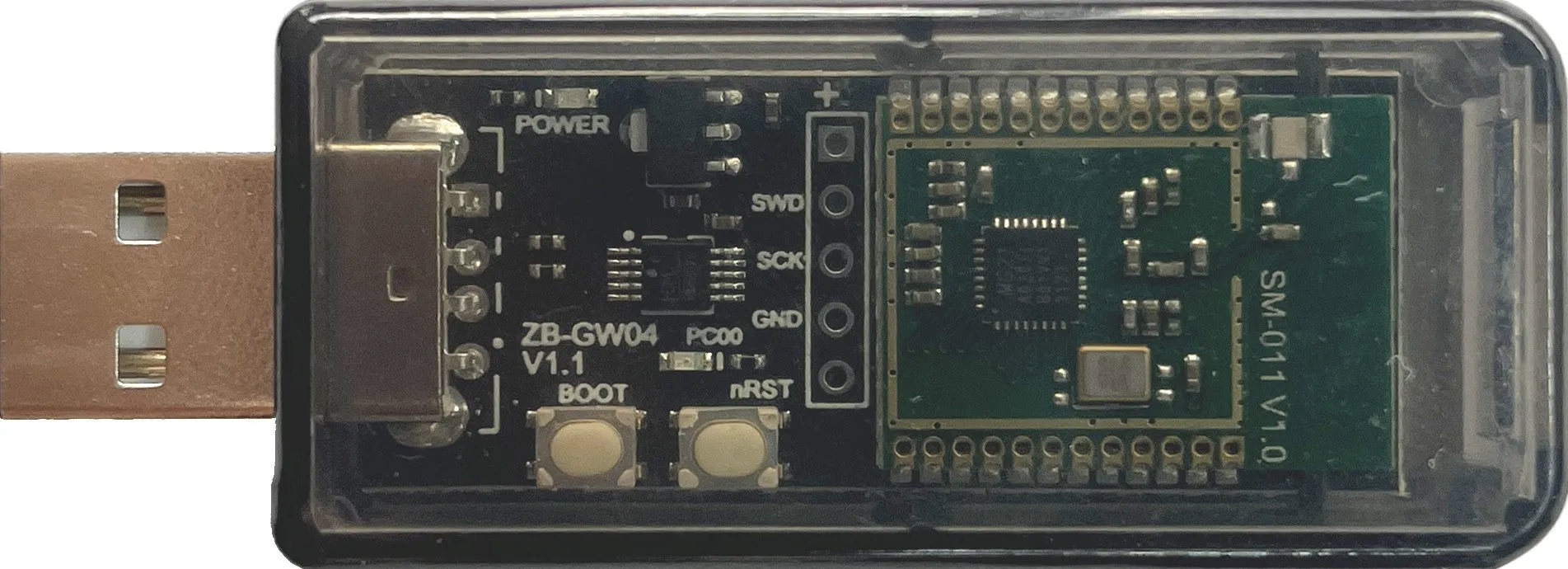
Hardware is only one part of the equation; software integration determines how useful the coordinator will be in your specific smart home ecosystem. This dongle is targeted at two popular open-source platforms.
Home Assistant ZHA Integration
The primary and confirmed integration path for this dongle is with Home Assistant using its built-in ZHA (Zigbee Home Automation) component. Because the dongle is pre-flashed with EZSP v8, it should be automatically recognised by Home Assistant when plugged into the host machine. The ZHA integration provides a user interface for directly discovering, pairing, and managing Zigbee devices without intermediary software. It allows you to build a purely local network, with all commands and sensor data staying within your home, enhancing privacy and reducing dependency on an internet connection for basic automations.
Zigbee2MQTT Platform Compatibility
For users who prefer or require the functionality of Zigbee2MQTT, this dongle is also listed as compatible, though currently in a 'pre-alpha' software state for this specific hardware. Zigbee2MQTT is a powerful alternative that translates Zigbee device messages into the standard MQTT protocol, offering immense flexibility for advanced users and integration with a wider array of home automation software beyond just Home Assistant. Using this dongle with Zigbee2MQTT would involve configuring the software to use the correct serial port and EZSP adapter, leveraging the same pre-installed protocol.
General Zigbee Gateway Potential
The product information notes that, as it adheres to Zigbee standards, the dongle may potentially function with other gateway solutions or software that supports the EZSP protocol over a serial connection. However, this broader compatibility is explicitly stated as not yet confirmed. This means that while it is engineered to the Zigbee 3.0 specification, guaranteeing interoperability with other Zigbee devices, its function as a coordinator for software other than ZHA or Zigbee2MQTT would require verification by the user or the developer of that specific software.
Setup, Maintenance and User Value
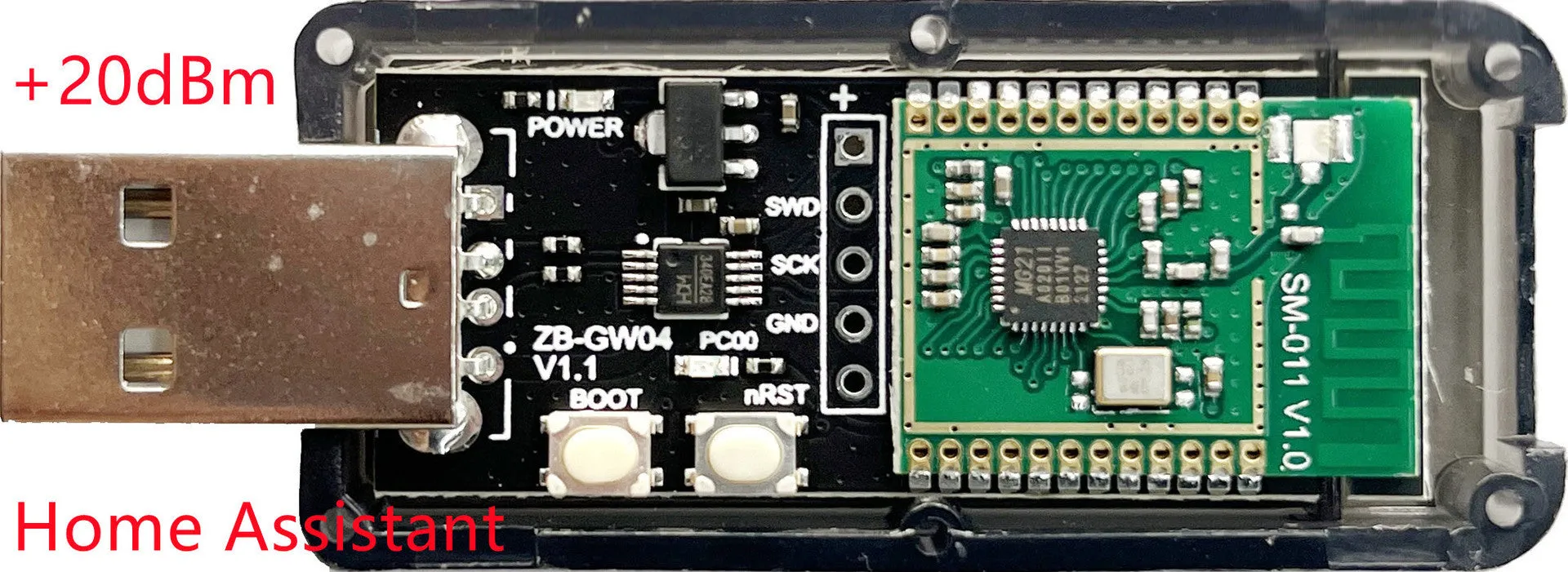
Understanding the setup process and long-term maintenance helps assess the practical value this product brings to a smart home setup, focusing on its concrete advantages.
Simplified Initial Setup Process
A significant practical benefit of this product is the eliminated need for initial firmware flashing. Many similar coordinator modules require users to source and load firmware using separate programming hardware and software—a barrier for those less technically inclined. This dongle's 'pre-flashed' status means you can begin the integration process immediately upon receiving it. You simply plug the USB dongle in, add the respective integration (ZHA or Zigbee2MQTT) in your software, and start pairing devices, significantly reducing the time and complexity to get a functional network running.
Firmware Update Procedure via UART
To maintain compatibility and add features over time, the device supports firmware updates. This is done via its UART interface, not over-the-air (OTA) from the network itself. The process involves a specific manual button sequence: you press and hold the BOOT button, then momentarily press and release the nRST button while still holding BOOT, and finally release the BOOT button. This puts the microcontroller into bootloader mode, allowing new firmware to be uploaded from a computer using appropriate software. This method provides a direct and reliable way to update the coordinator's core software when new versions become available from the community or developers.
Consolidating Control and Moving Off-Cloud
The core value proposition of this USB dongle is enabling the consolidation of control for Zigbee devices from multiple manufacturers into one local system. Instead of having separate hubs for Aqara, Philips Hue, IKEA, and other brands, all their Zigbee devices can join a single network managed by this coordinator within Home Assistant or Zigbee2MQTT. This not only reduces clutter and power outlets used but, more importantly, moves critical smart home functions off the cloud. Local control means lights will still turn on if your internet fails, automations will run without latency, and your device data remains private within your home network.