
Solar panel controller with 12V/24V battery voltage, 100V maximum panel voltage at 25°C, 20A discharge current, and Bluetooth module connectivity for solar controller systems in residential and small-scale applications


Solar panel controller with 12V/24V battery voltage, 100V maximum panel voltage at 25°C, 20A discharge current, and Bluetooth module connectivity for solar controller systems in residential and small-scale applications
BT-1 Solar Panel Controller with Bluetooth Module for 12V/24V Battery Systems
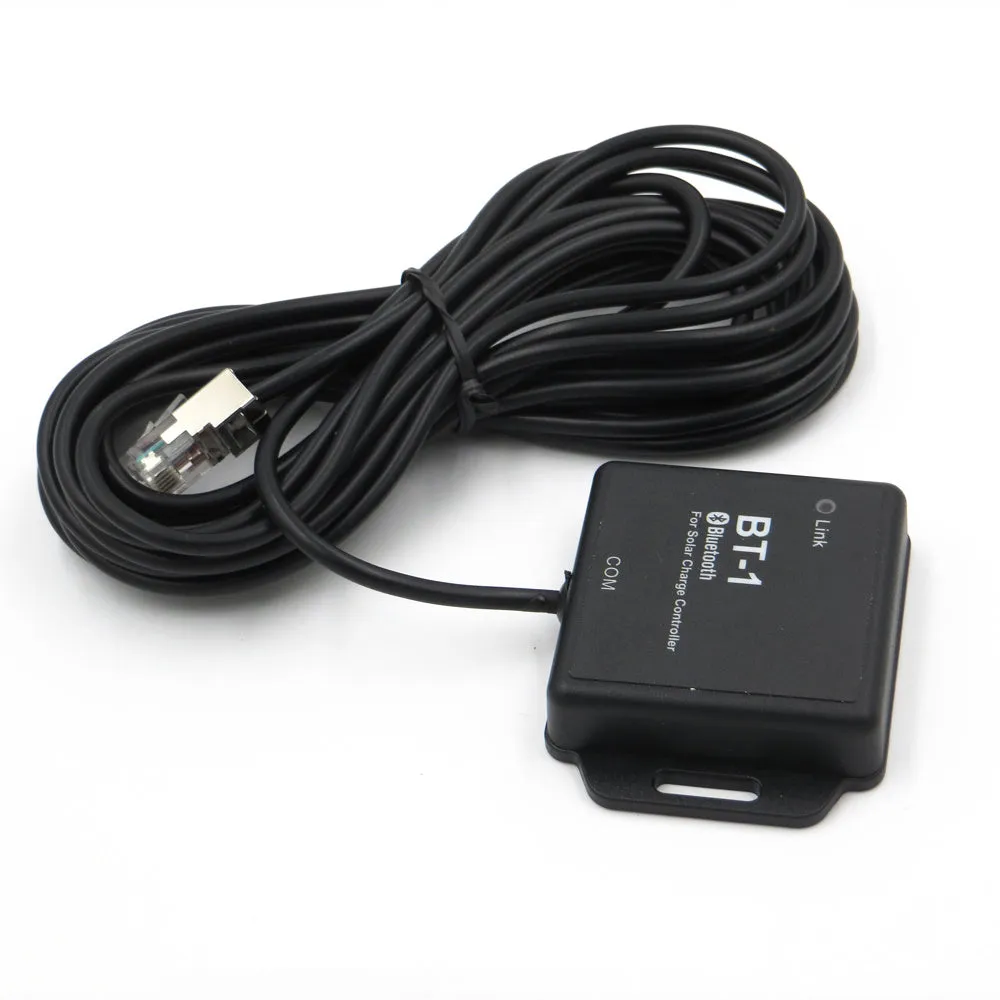
This solar panel controller provides essential charge regulation for off-grid and backup power systems, managing the energy flow from solar panels to batteries with precision. Designed for residential and small-scale solar installations, the BT-1 model offers practical voltage and current specifications alongside wireless monitoring capabilities through its integrated Bluetooth module. With 12V/24V battery voltage compatibility and a 20A discharge current, this controller addresses the fundamental requirements of solar energy systems where reliable battery management is crucial. The inclusion of wireless connectivity represents a contemporary approach to system monitoring, allowing users to check status without physical access to the controller.
Features and Construction
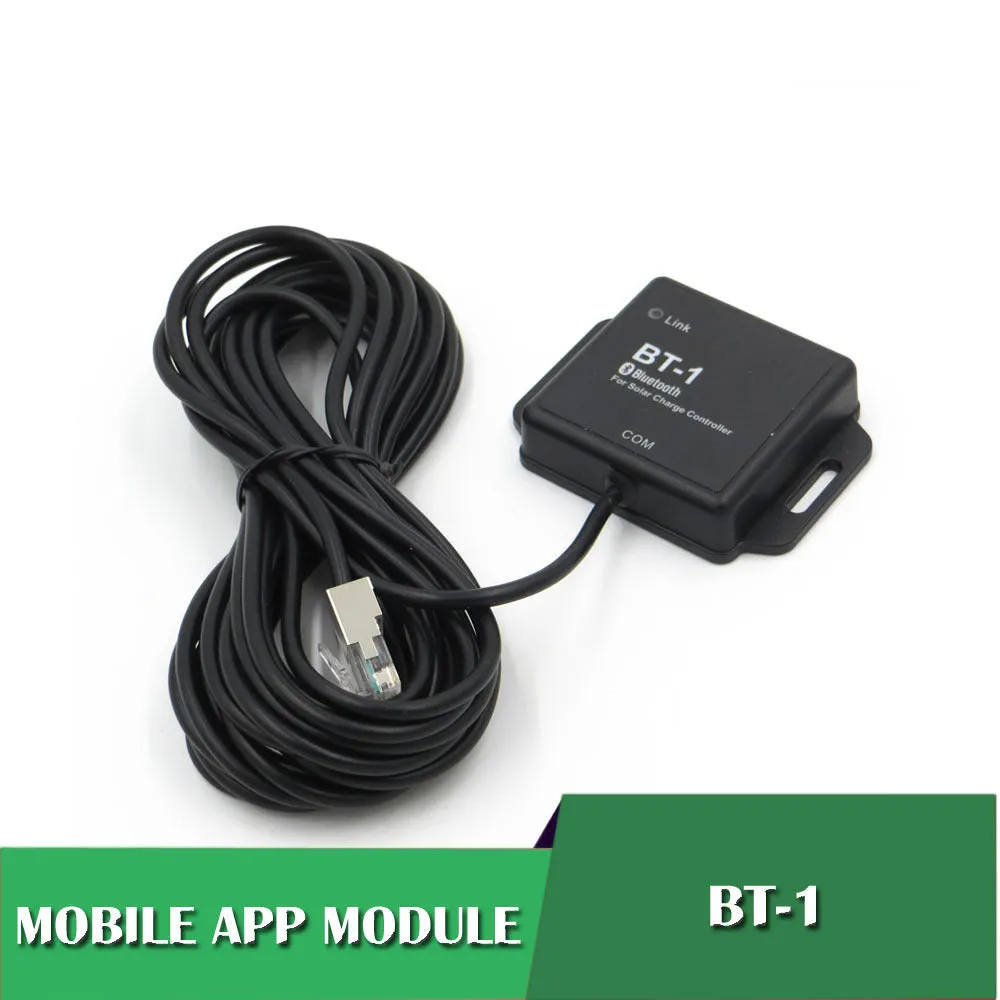
The BT-1 solar panel controller combines traditional charge regulation with modern wireless monitoring capabilities, creating a balanced solution for users seeking both reliability and convenience. Its specifications target typical small-scale solar installations found in cabins, RVs, emergency backup systems, and off-grid residential applications. The controller's design focuses on delivering core charge management functions without unnecessary complexity, making it suitable for both DIY enthusiasts and professional installers working within its application range.
Material and Build
Constructed with electronic components specifically selected for solar charge regulation, the BT-1 controller employs circuitry designed to manage the flow of energy from photovoltaic panels to battery banks. The integration of a Bluetooth communication module enables wireless connectivity without compromising the controller's primary charge management functions. Housing materials are chosen to provide adequate protection for the internal electronics while maintaining compatibility with standard electrical equipment installation practices in both indoor and outdoor environments where solar controllers are typically deployed.
Size and Practical Fit
While specific dimensions are not provided, the controller is designed to accommodate standard installation requirements for solar energy systems. Its physical configuration allows integration into existing electrical setups commonly found in residential and small commercial solar installations. The controller's specification of 12V/24V battery voltage compatibility ensures it can work with the most common battery configurations in off-grid and backup power systems, while the 20A discharge current rating positions it appropriately for small to medium solar arrays.
Uses and Placement
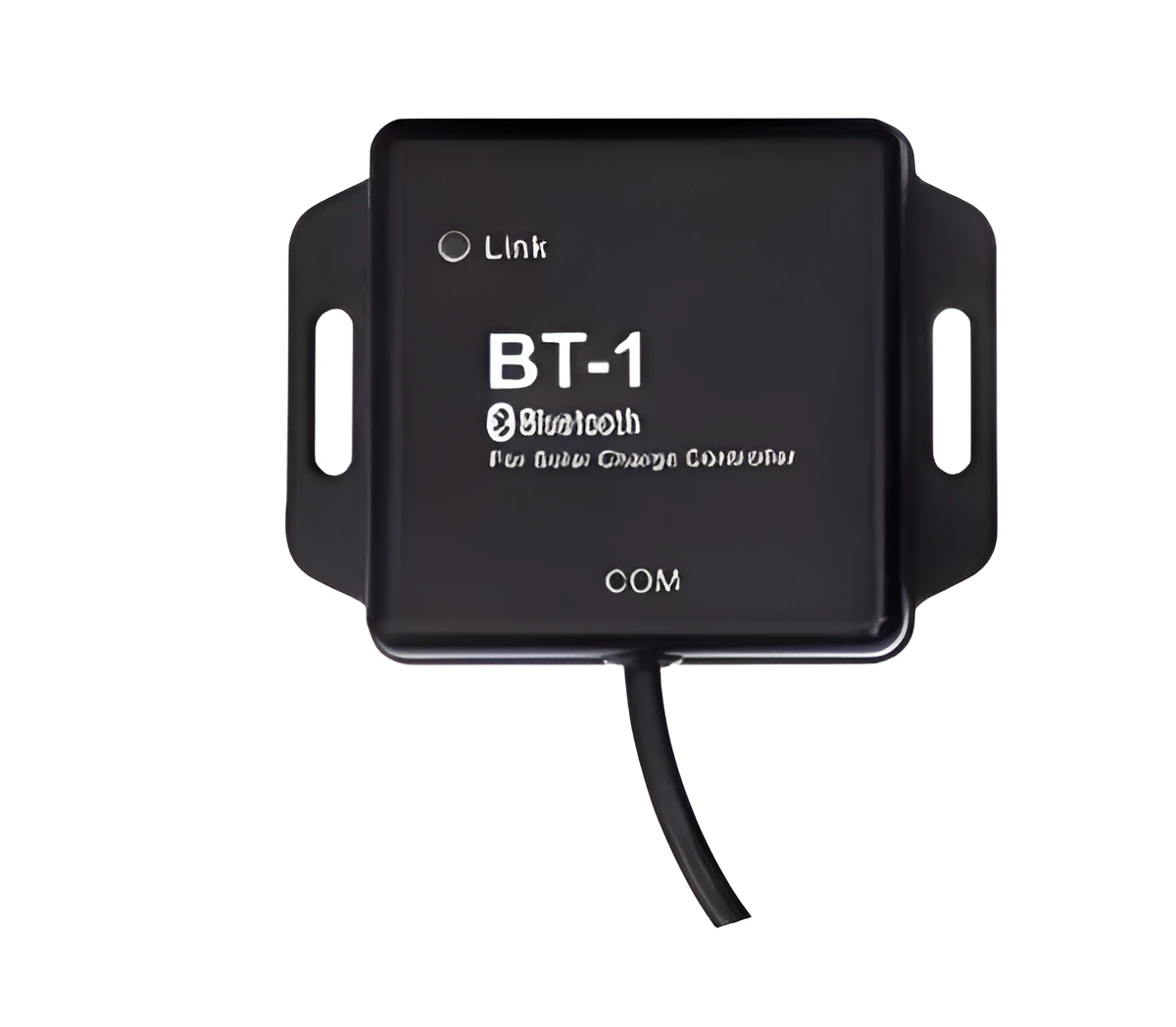
The BT-1 solar panel controller serves as the central management component in solar energy systems, regulating charge to prevent battery damage while maximizing energy harvest. Its application range is specifically designated for controller functions within solar power setups, indicating focused design rather than multi-purpose functionality. The controller finds its place between solar panels and battery banks in the energy flow path, performing the critical task of converting variable panel output into stable battery charging.
Event or Professional Use
For professional solar installations, the controller's specification of 100V maximum panel voltage at 25°C (90V at -25°C) provides installers with clear parameters for system design, particularly regarding temperature considerations in different climates. The Bluetooth module adds practical value for system monitoring and troubleshooting, allowing installers to check controller status remotely rather than requiring physical access to the installation site. These features support both initial installation efficiency and ongoing system maintenance.
Everyday Home Use
Homeowners and DIY enthusiasts benefit from the controller's straightforward specifications and wireless monitoring capability, which simplifies system oversight without requiring advanced technical knowledge. The 12V/24V compatibility covers most common residential battery configurations, from small RV and marine systems to larger home backup power installations. The Bluetooth interface provides convenient access to system status information through smartphone applications, making regular monitoring more accessible than traditional controllers requiring physical inspection.
Benefits and Buying Value
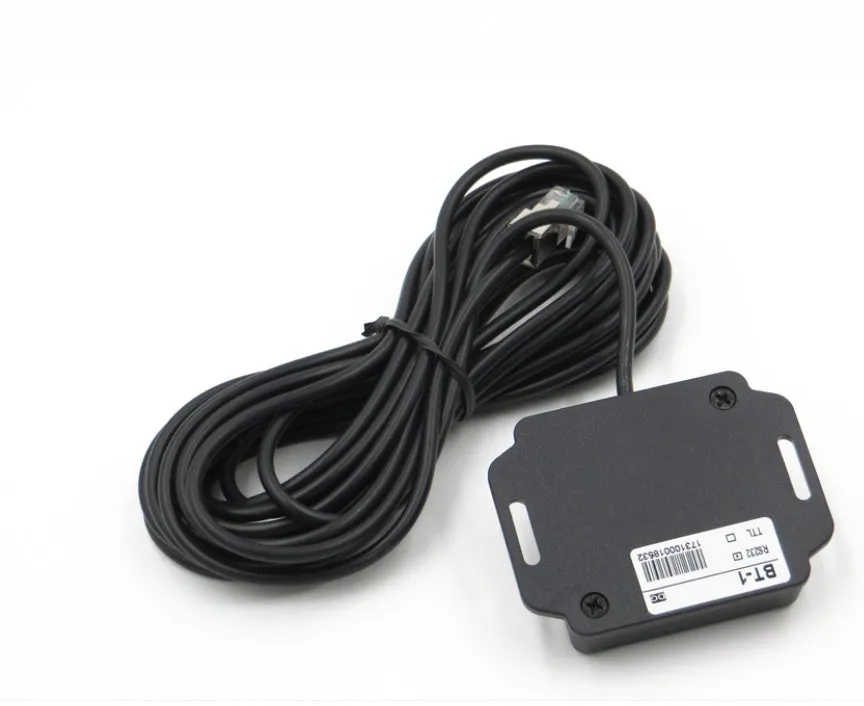
The BT-1 solar panel controller offers practical value through its combination of established charge regulation technology with contemporary wireless monitoring capabilities. This blend addresses both the fundamental need for reliable battery protection and the modern expectation of convenient system access. The controller's defined specifications provide clear boundaries for appropriate applications, helping users determine whether it matches their specific solar installation requirements before purchase.
Reuse and Low Maintenance
The controller's design prioritizes reliable operation with minimal maintenance requirements typical of solar charge regulation equipment. Its Bluetooth monitoring capability actually reduces the need for physical inspections while providing more frequent status updates, potentially identifying issues before they become significant problems. The specified temperature-dependent voltage ratings (-25°C to 25°C range) indicate consideration for varied environmental conditions, supporting year-round operation in different climates without requiring seasonal adjustments.
Why Choose This Product
This solar panel controller distinguishes itself through the integration of Bluetooth connectivity while maintaining focused charge regulation functionality within clearly defined specifications. The combination of 12V/24V battery compatibility, 20A discharge current, and 100V maximum panel voltage creates a coherent specification profile for small to medium solar installations. Rather than attempting to cover every possible application, the controller concentrates on performing core charge management tasks effectively while adding the convenience of wireless monitoring—a practical enhancement for users who value system accessibility alongside reliable performance.