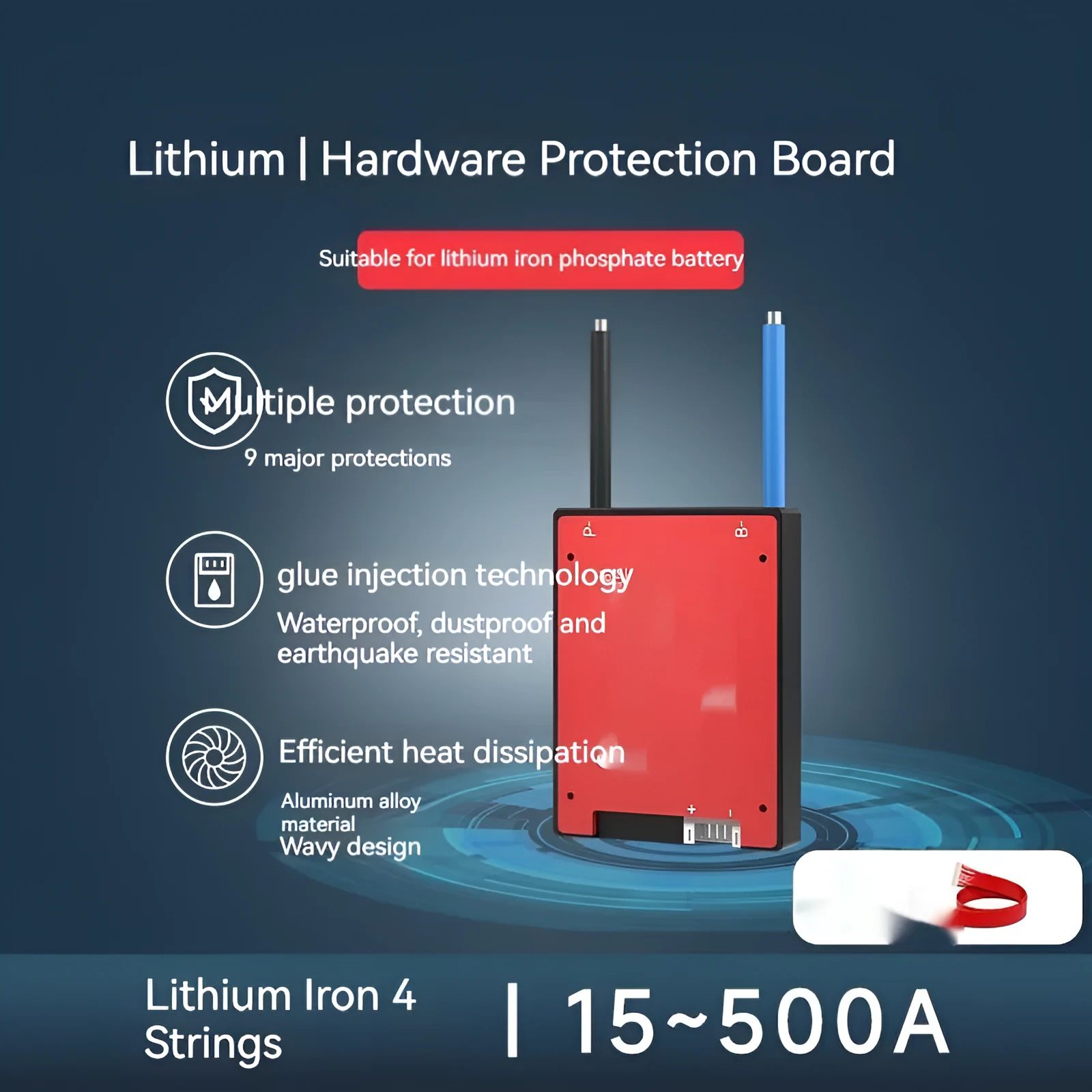
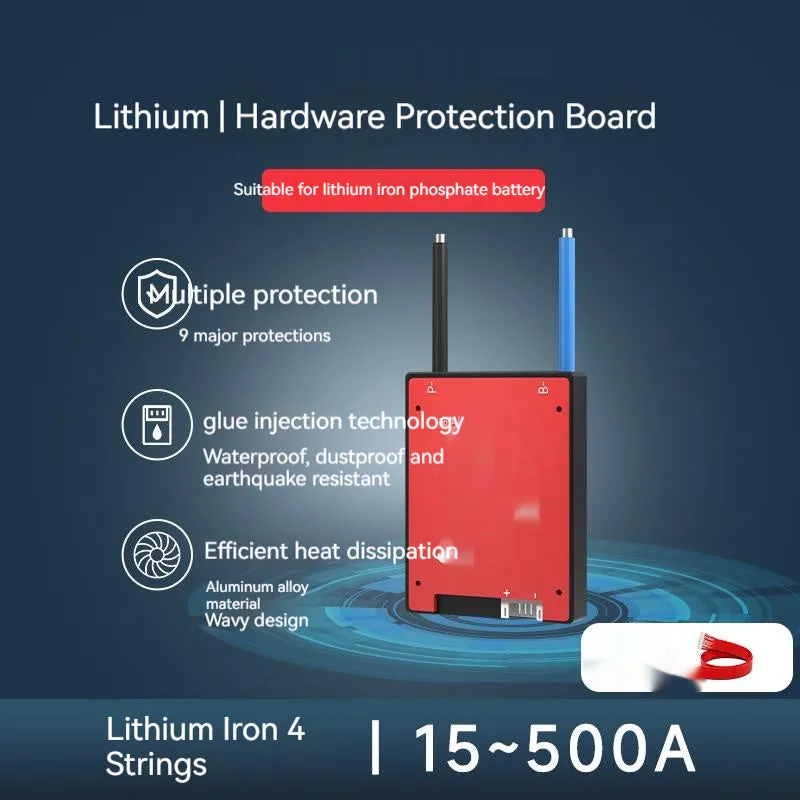
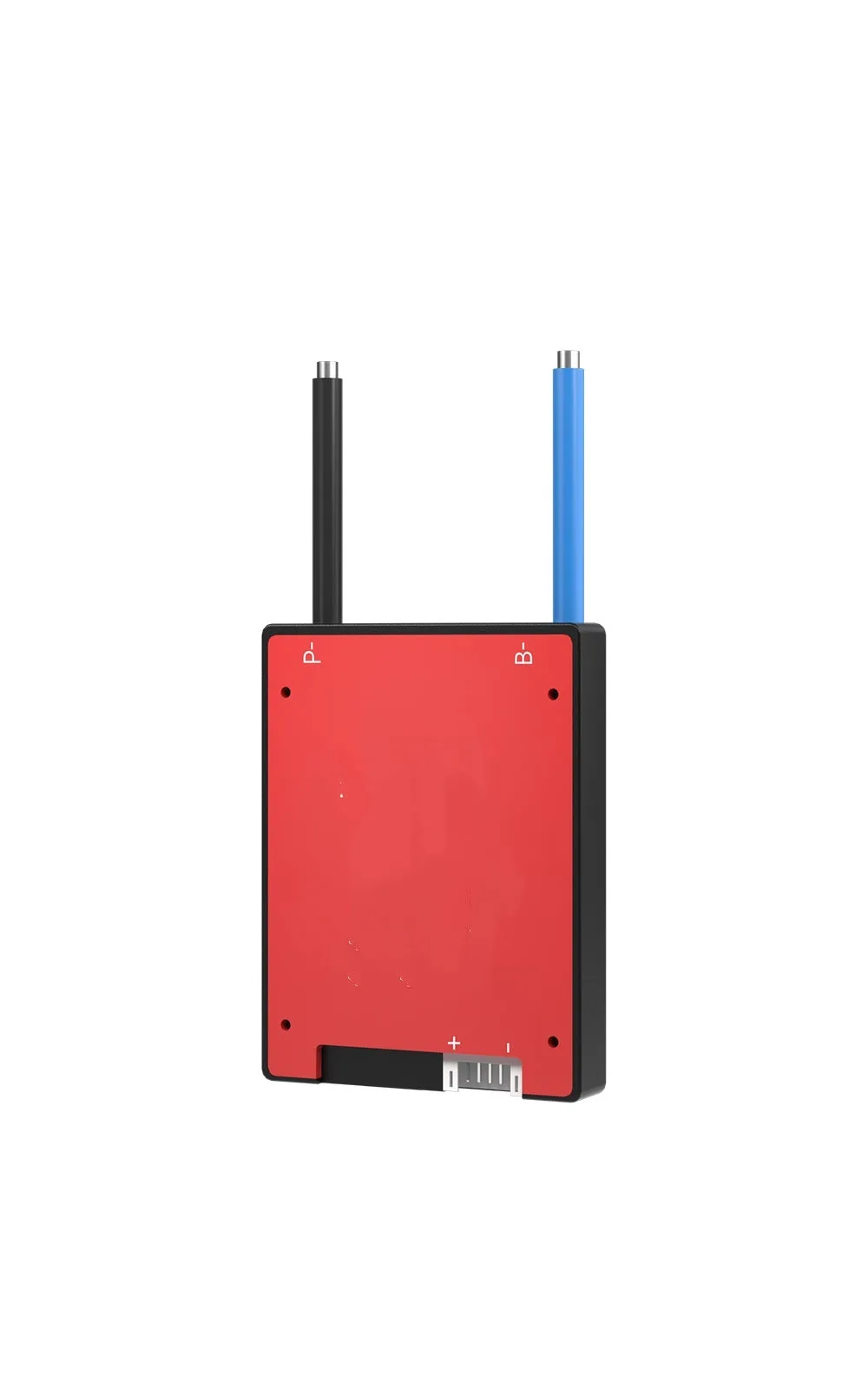
Dali Lithium Iron Phosphate Battery Protection Board for 4S 12V LiFePO4 battery packs, available in current ratings from 15A to 500A with optional integrated cooling fan, features same-port design with integrated cell balancing function.


Dali Lithium Iron Phosphate Battery Protection Board for 4S 12V LiFePO4 battery packs, available in current ratings from 15A to 500A with optional integrated cooling fan, features same-port design with integrated cell balancing function.
Dali 4S 12V Lithium Iron Phosphate Battery Protection Board with Cell Balancing
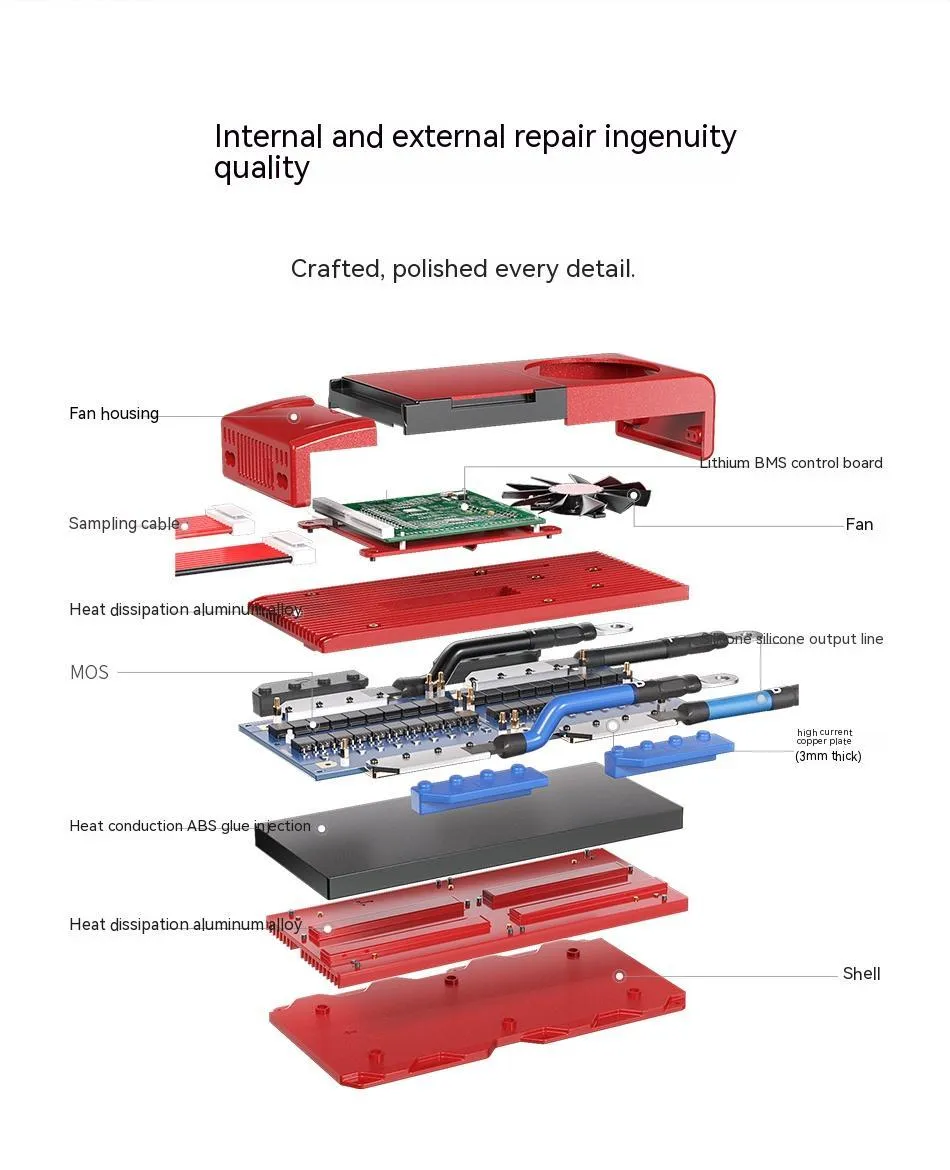
This Dali battery protection board, or Battery Management System (BMS), is a crucial component for building or maintaining a safe and efficient 12-volt lithium iron phosphate (LiFePO4) power source. It is specifically configured for battery packs consisting of four cells connected in series (4S), a common arrangement for 12V systems. Its primary role is to monitor and protect the battery pack by preventing potentially damaging conditions such as overcharging, over-discharging, short circuits, and overcurrent situations. By integrating these protections, it helps safeguard your investment in LiFePO4 cells and ensures reliable power delivery for a variety of applications, from solar energy storage and recreational vehicles to backup power systems and electric mobility.
Specifications and Model Selection
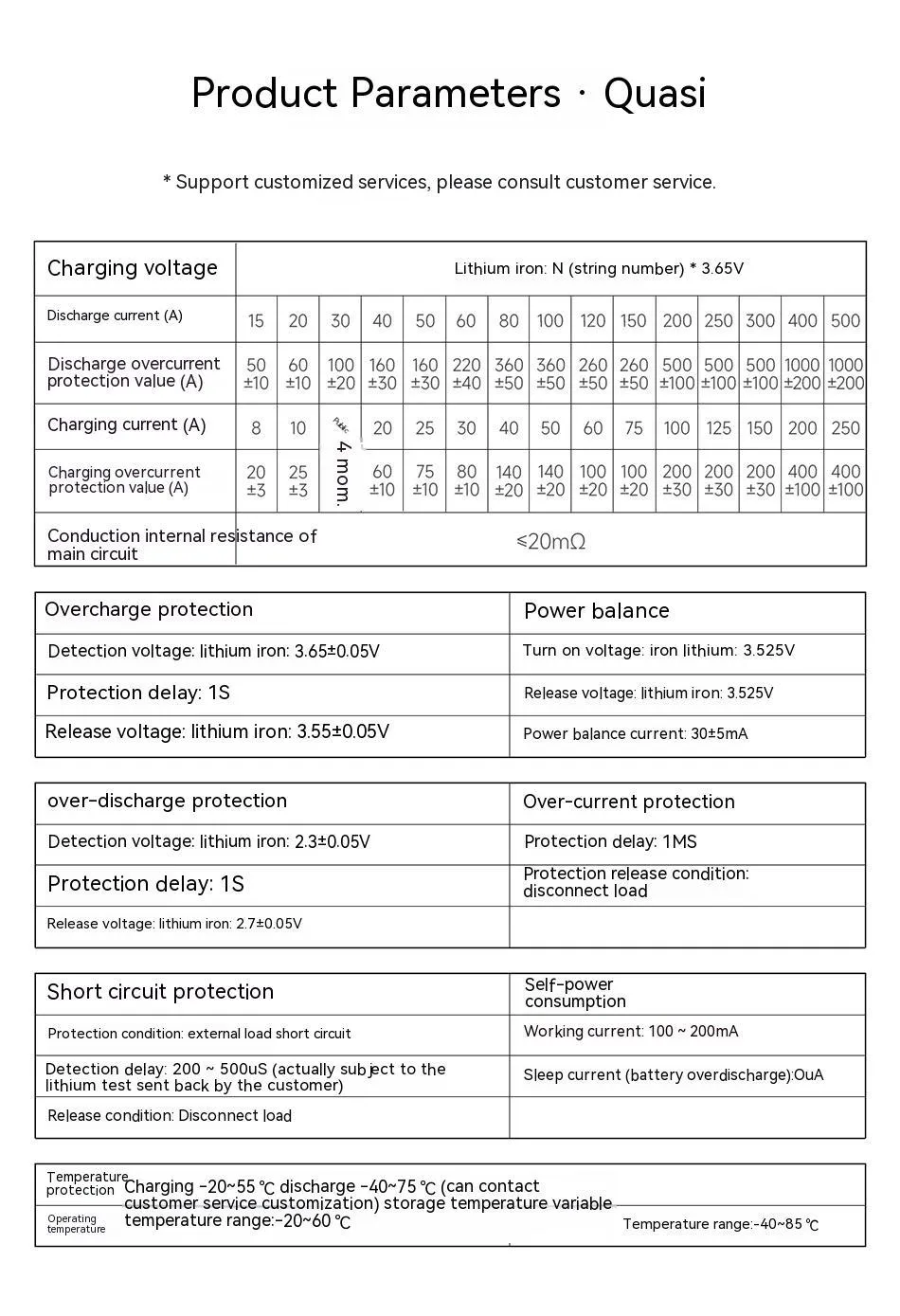
The Dali BMS is offered in a comprehensive range of models to match different power needs. The key selection criteria are the continuous discharge current rating and the inclusion of an active cooling fan for higher-power units.
Current Rating and Capacity
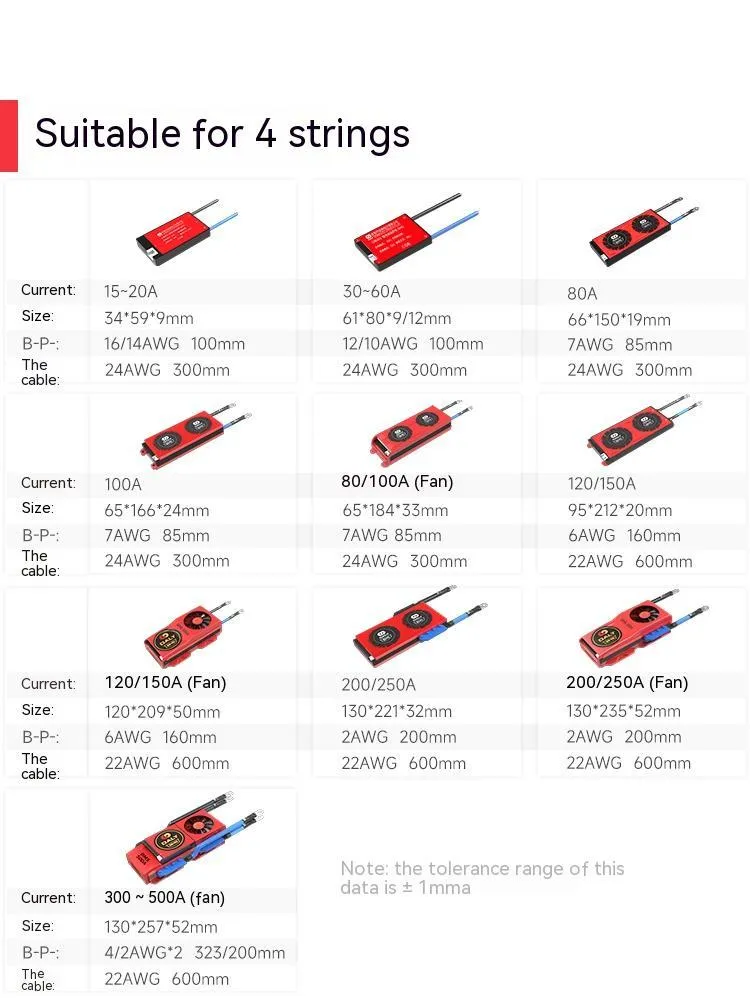
The core specification for this protection board is its rated continuous discharge current. The available range is extensive, starting at 15A for lower-power applications and scaling up to 500A for high-demand systems. Intermediate ratings such as 20A, 30A, 40A, 50A, 60A, 80A, 100A, 120A, 150A, 200A, 250A, 300A, and 400A are also available. It is essential to select a model whose current rating meets or exceeds the maximum current draw of the connected load to ensure safe and uninterrupted operation without triggering overcurrent protection.
Cooling Fan for High-Current Models
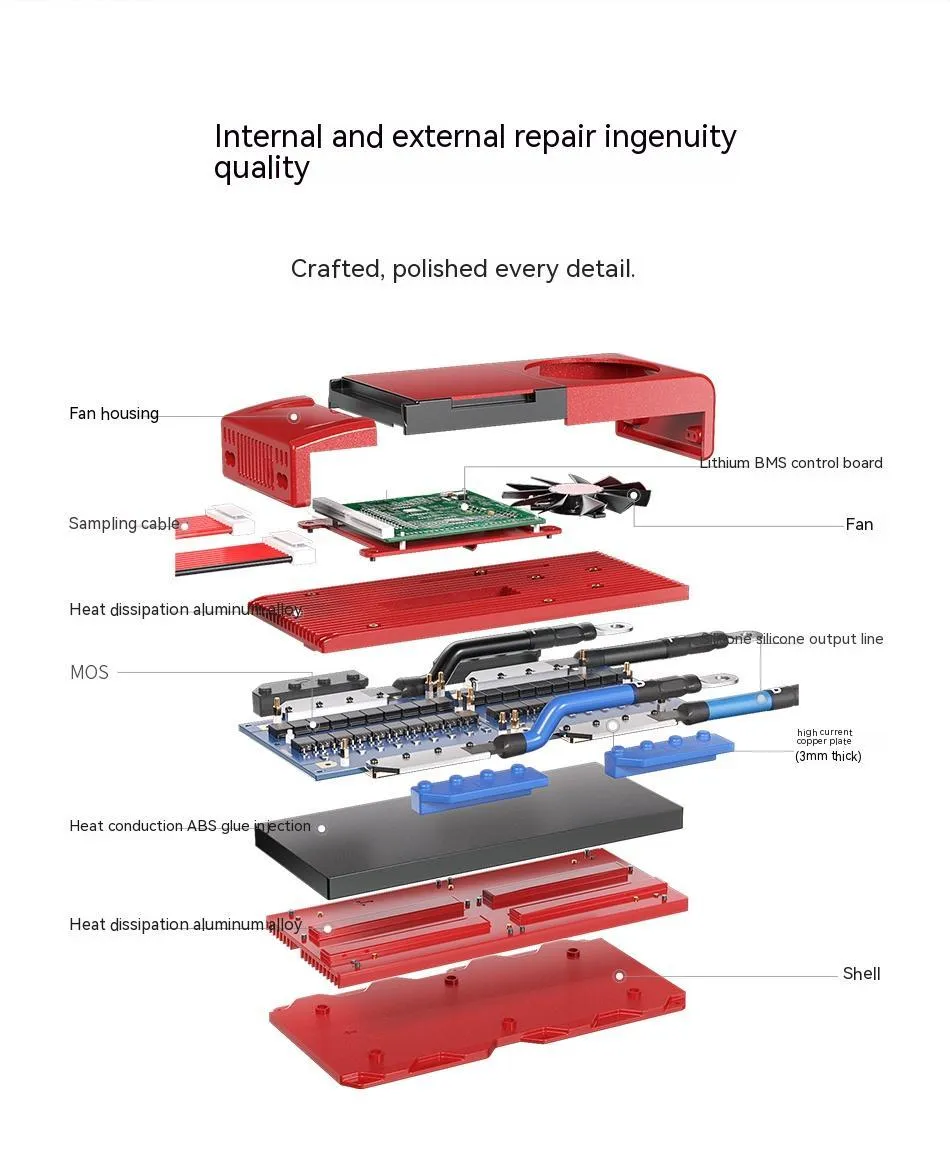
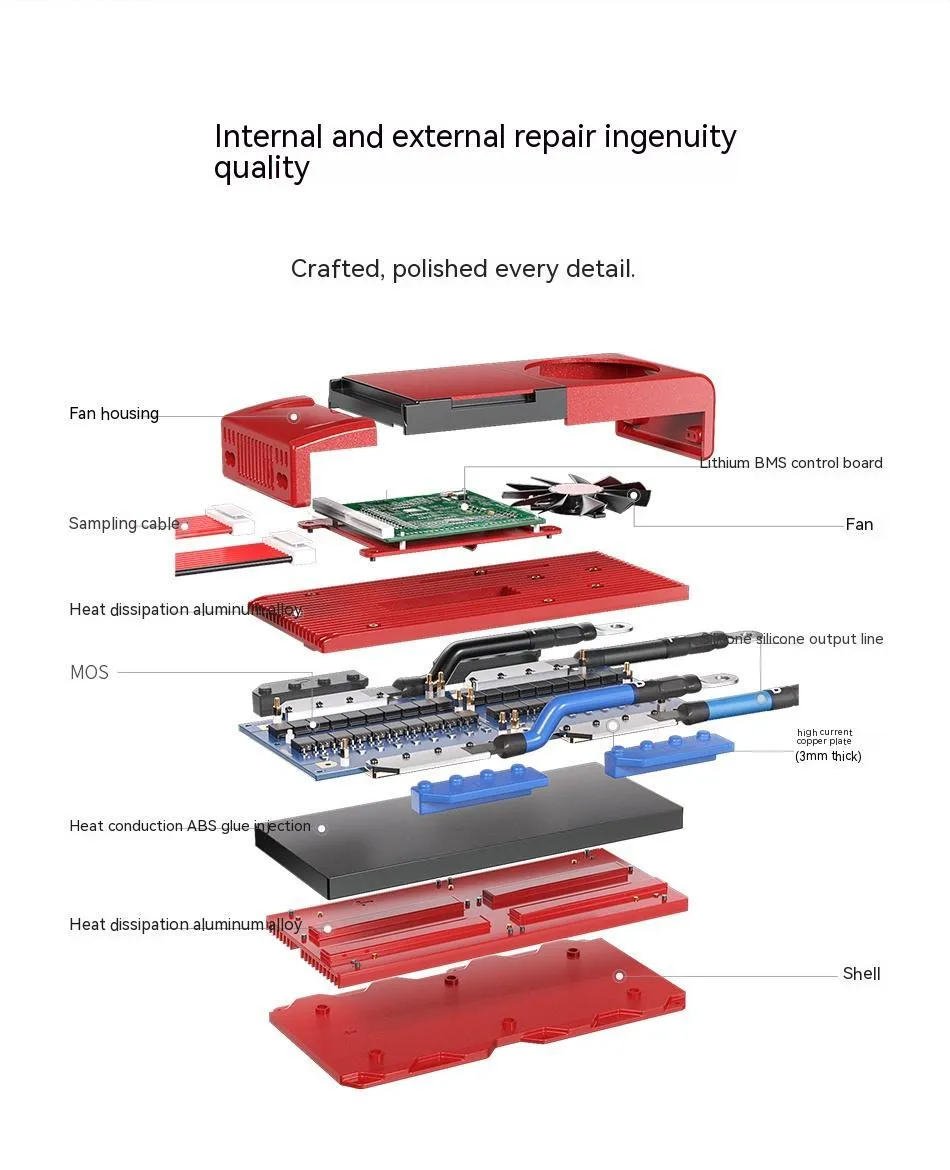
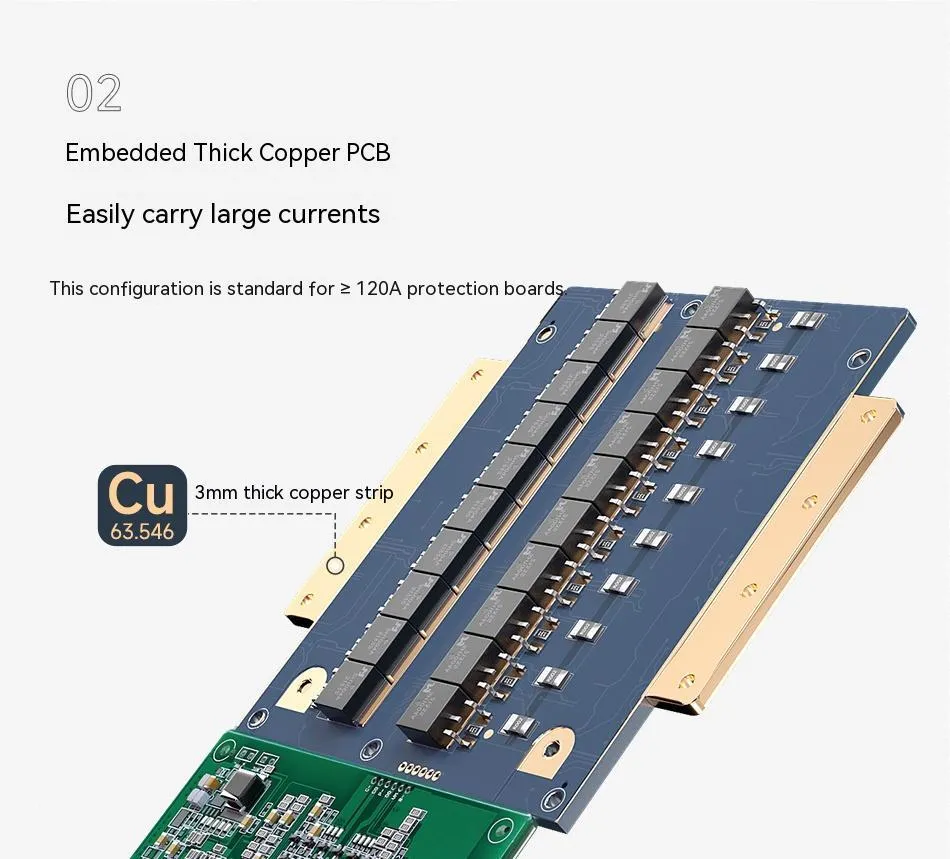
To manage the heat generated during high-current operation, an integrated cooling fan is available as an option on specific models. This feature is offered on units rated at 80A and above, including 80A, 100A, 120A, 150A, 200A, 250A, 300A, 400A, and 500A versions. The fan actively dissipates heat from the board's power MOSFETs and other components, which can help maintain performance stability and component longevity during sustained high-load use. Models without this suffix rely on passive cooling through the board's design.
Same-Port Design and Balancing
This BMS utilises a same-port, or common-port, design. This means the charging and discharging circuits share the same main positive (P+) and negative (P-) terminals, simplifying the overall wiring harness compared to separate-port designs. A central feature across all models is the integrated cell balancing function. This circuitry actively works to equalise the voltage across each of the four cells in the battery pack during the charging cycle. Consistent cell voltages are critical for maximising the pack's usable capacity, preventing individual cell damage from overvoltage, and extending the overall service life of the LiFePO4 battery.
Applications and Installation
This protection board is suited for any project or product utilising a 12V LiFePO4 battery bank. Its design caters to both DIY enthusiasts and professional integrators.
Renewable Energy and Off-Grid Systems
In solar, wind, or other off-grid power installations, a reliable BMS is fundamental. This board protects the often-significant investment in LiFePO4 storage batteries from improper charge cycles from solar charge controllers or inverters. The cell balancing function is particularly valuable in these applications, where batteries may experience frequent charge and discharge cycles, helping to maintain pack health over many years.
Electric Mobility and Marine Use
For electric scooters, bikes, golf carts, or marine applications like trolling motors, the BMS provides essential safety. The high-current models (e.g., 100A, 200A) can handle the substantial burst currents required for motor starting. The optional cooling fan on these high-power models aids performance during continuous operation, such as on a long marine voyage or extended e-bike ride.
Practical Benefits and Value
Incorporating a dedicated BMS like this Dali board adds a layer of safety and intelligence to a battery pack, translating into practical user advantages.
Enhanced Battery Safety and Longevity
The primary benefit is risk mitigation. By continuously monitoring cell voltages and pack current, the board acts as a safeguard against scenarios that can lead to battery failure, reduced capacity, or even safety hazards. The integrated balancing directly addresses a common cause of premature LiFePO4 pack failure—cell voltage drift—thereby supporting the battery's potential for a long service life.
Simplified System Integration
The same-port design reduces wiring complexity, requiring fewer connection points between the battery, charger, and load. This can lead to a cleaner installation, lower connection resistance, and reduced potential for wiring errors. The wide model range allows users to precisely match the BMS to their system's power profile, avoiding the need to over-specify or risk under-protecting their battery investment.