
Little Bee Lavalier wireless microphone black lapel clip-on omnidirectional condenser mic with 2.4GHz transmission USB-C charging for vlogging content creation phone cameras video recording interviews podcasting


Little Bee Lavalier wireless microphone black lapel clip-on omnidirectional condenser mic with 2.4GHz transmission USB-C charging for vlogging content creation phone cameras video recording interviews podcasting
Little Bee X3 Lavalier Wireless Microphone Black for Vlogging and Interviews

Designed for content creators, interviewers, and podcasters seeking to improve their audio capture, the Little Bee X3 is a compact lavalier microphone system. This black, clip-on microphone transmits audio wirelessly via a 2.4GHz connection to a receiver that plugs into your smartphone, camera, or computer. It offers a practical alternative to built-in microphones by placing the microphone capsule closer to the sound source – your voice – for potentially clearer recordings in various environments from home studios to on-location filming.
Features and Construction
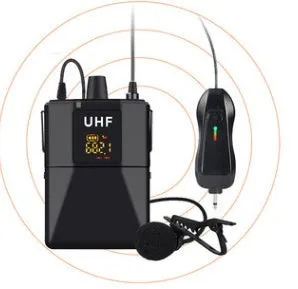
The core of the Little Bee system is the lavalier microphone itself, which houses an omnidirectional condenser capsule designed to pick up sound from all directions. This is paired with a 2.4GHz wireless transmitter. The system's construction focuses on portability and ease of use for creators on the move.
Material and Build
The microphone unit is finished in black and features a sturdy metal clip for attachment to clothing. It includes a USB-C port for charging its internal rechargeable battery, providing a modern and reversible connection standard. The build is geared towards daily handling by users who need reliable equipment without excessive bulk.
Size and Practical Fit
The lavalier microphone is compact and lightweight, making it discreet when clipped to a shirt collar, jacket lapel, or neckline. Its small form factor minimises visual intrusion on camera while the clip provides a secure attachment point. The wireless nature of the system eliminates the hassle and potential snagging of a cable running from the microphone to the recording device.
Uses and Placement

The primary application for this microphone is capturing clear, direct voice audio in situations where holding a microphone is impractical or undesirable. Its wireless design and clip-on functionality open up a range of uses for both amateur and professional recording scenarios.
Event or Professional Use
For professional contexts like interviews, presentations, or conference speaking, the Little Bee microphone allows the speaker to move freely while maintaining consistent audio quality. Event videographers can use it to capture clear dialogue from presenters or participants without being tethered by cables, making it suitable for wedding videography, corporate events, or documentary filming where discreet audio capture is key.
Everyday Home Use
At home, this microphone is ideal for vloggers, gamers, and online course creators who record videos at a desk or in a dedicated space. It can provide cleaner audio for YouTube tutorials, product reviews, or social media content compared to a desktop or built-in webcam microphone. Podcasters conducting remote interviews can also benefit from the direct voice capture it offers.
Benefits and Buying Value

The value of the Little Bee X3 wireless lavalier microphone lies in its specific solution to common audio recording challenges. It addresses the need for better sound quality in a convenient, wireless format that integrates with modern devices.
Reuse and Low Maintenance
The microphone is designed for repeated use across multiple recording sessions and projects. The USB-C rechargeable battery supports multiple charge cycles, and the sturdy clip and housing are built for regular handling. Maintenance primarily involves keeping the microphone clean and storing it safely when not in use.
Why Choose This Product
Choosing this product is a decision for those who need a straightforward wireless audio solution focused on voice. Its combination of a clip-on lavalier design, 2.4GHz wireless technology, and USB-C charging makes it a contemporary tool tailored for the needs of modern content creation, remote communication, and portable video production, where cable-free operation and improved audio clarity are practical priorities.
